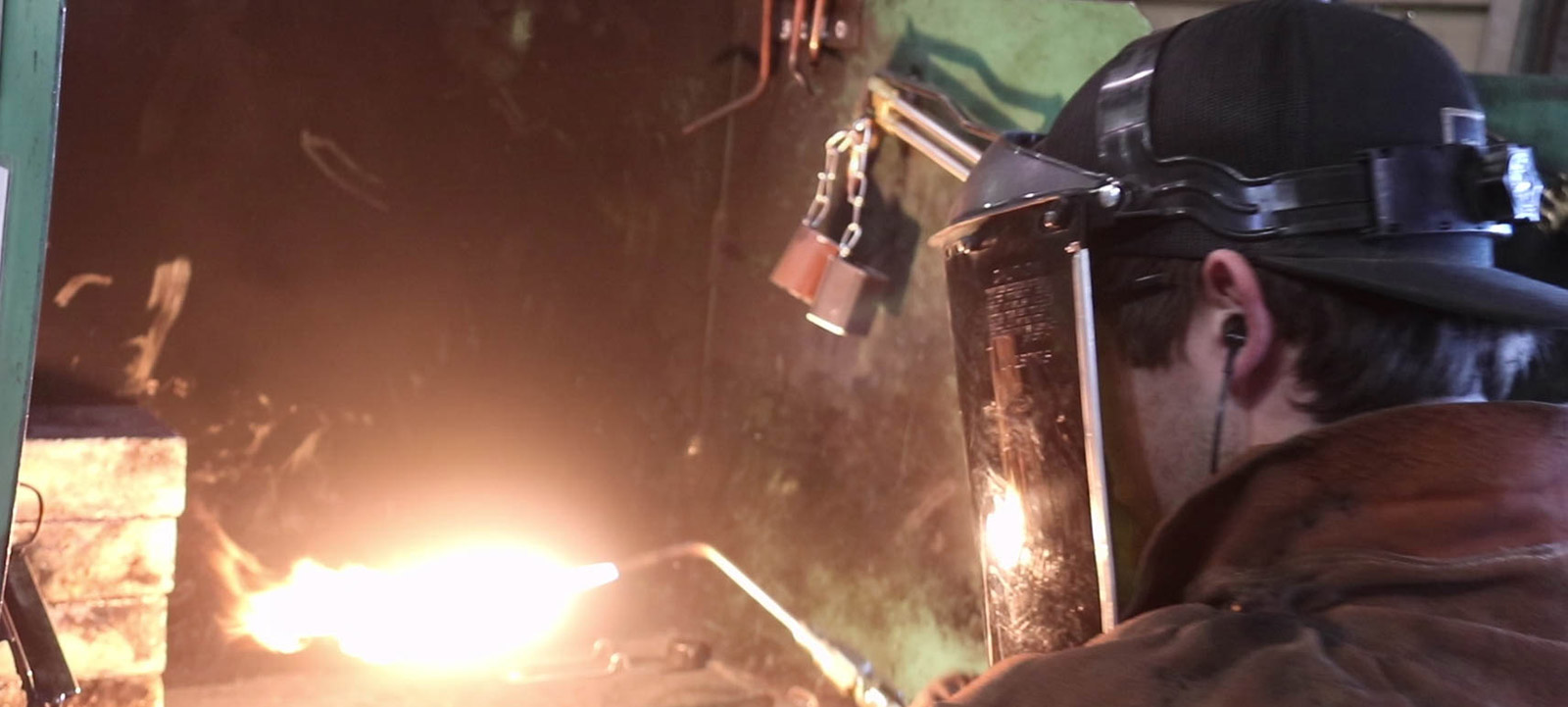
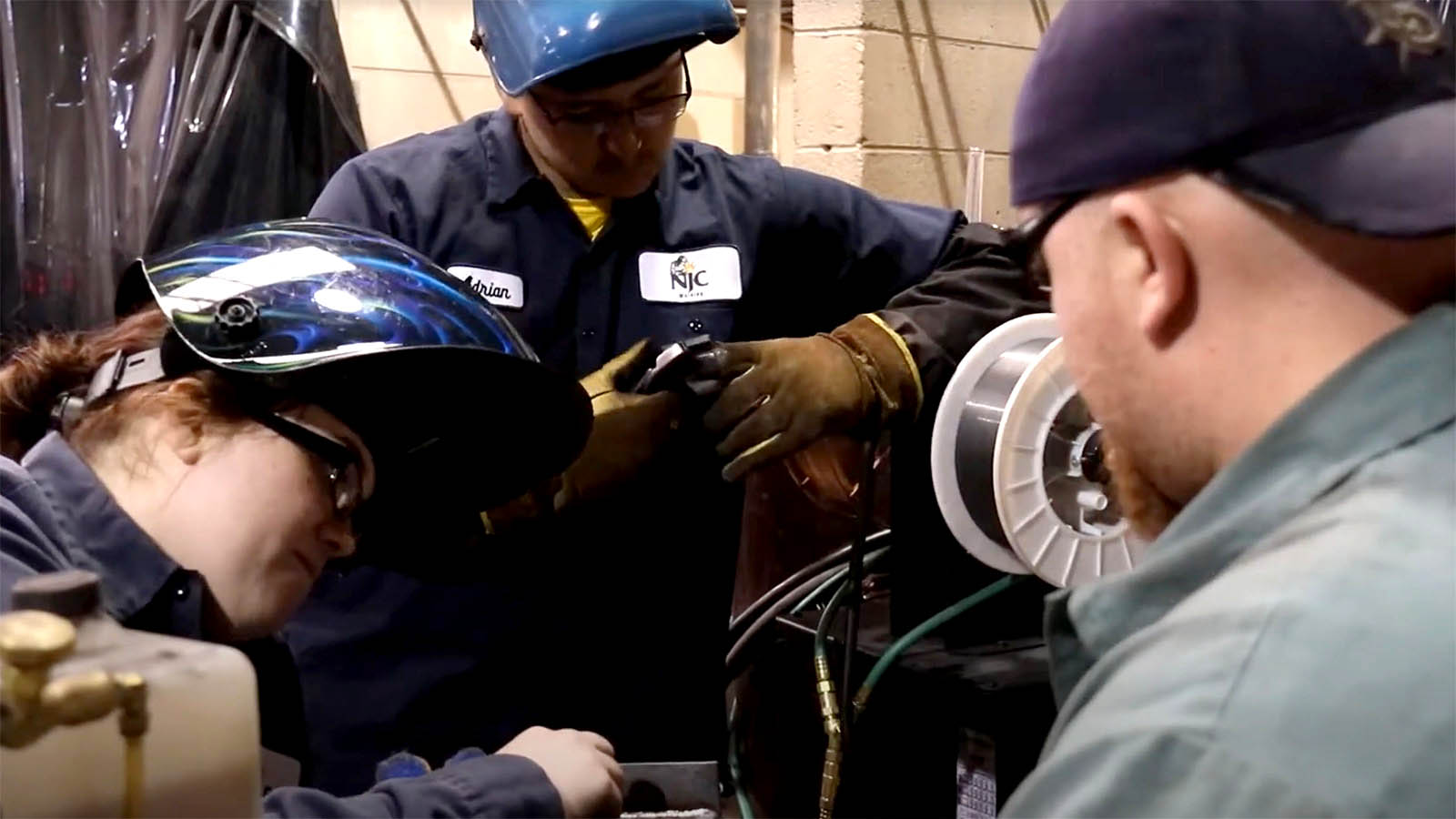
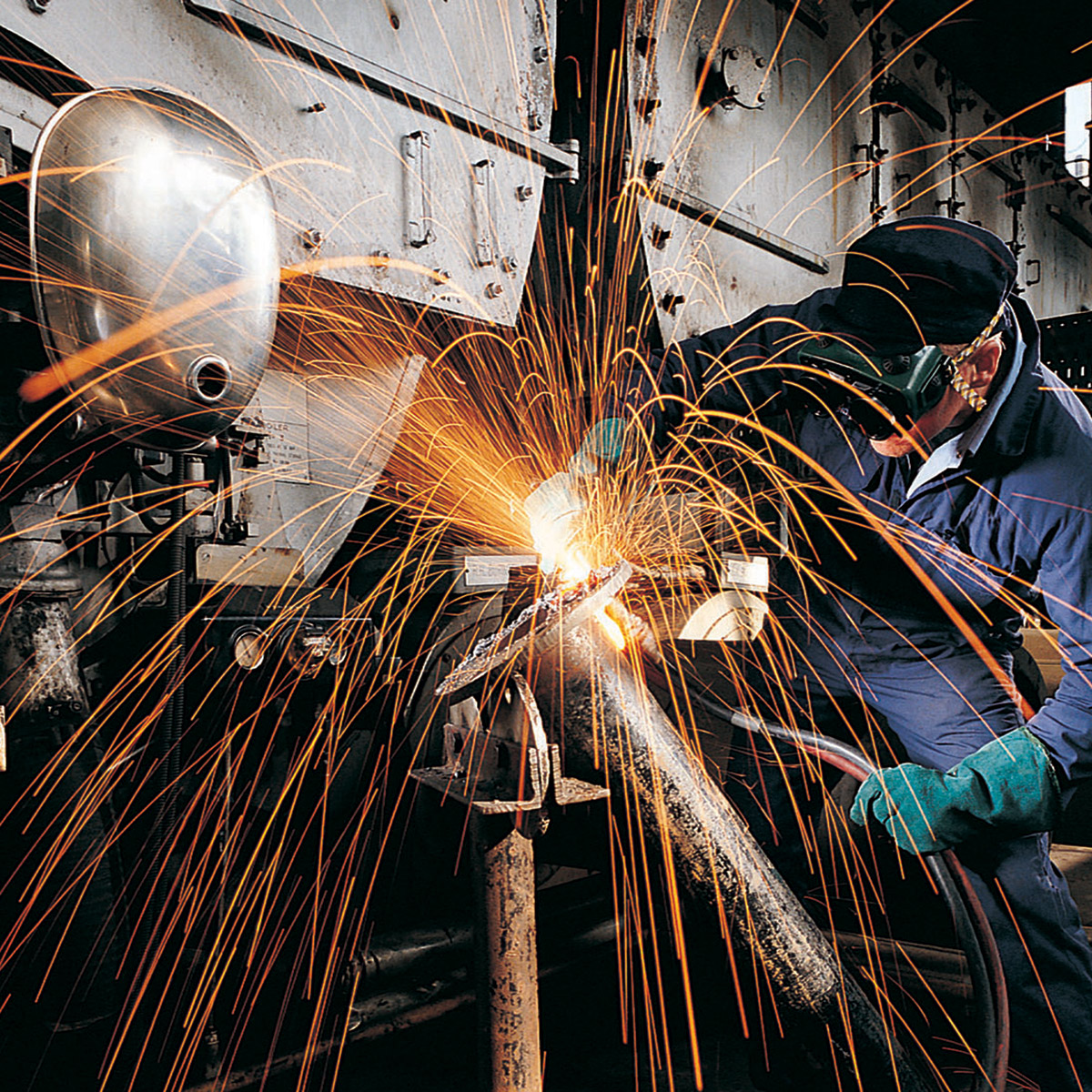
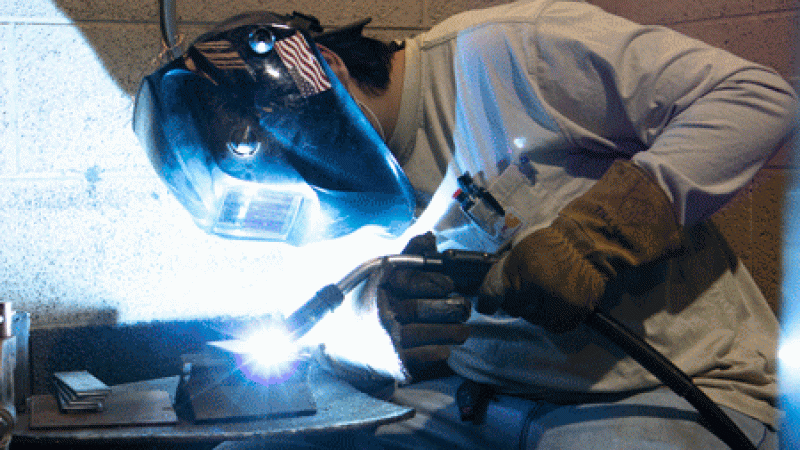
Welding work environments can vary from one extreme to the other. They can be very clean and quiet to very dirty and noisy. Indoors, outdoors, in space or underwater; welding can take place in almost every environment present on Earth or outside Earth’s atmosphere.
Welders, cutters, solderers, and brazers held about 404,800 jobs in 2016. The largest employers of welders, cutters, solderers, and brazers were as follows:
- Manufacturing 61%
- Specialty trade contractors 7%
- Self-employed workers 5%
- Repair and maintenance 4%
- Merchant wholesalers, durable goods 4%
Work Schedules:
Most welders, cutters, solderers, and brazers work full time, and overtime is common. Many manufacturing firms have two or three 8- to 12-hour shifts each day, allowing the firm to continue production around the clock if needed. As a result, welders, cutters, solderers, and brazers may work evenings and weekends.
Injuries and Illnesses:
Welders, cutters, solderers, and brazers have one of the highest rates of injuries and illnesses of all occupations. They are often exposed to a number of hazards, including very hot materials and the intense light created by the arc. They wear safety shoes, heat-resistant gloves, goggles, masks with protective lenses, and other equipment to prevent burns and eye injuries and to protect them from falling objects.
The Occupational Safety and Health Administration (OSHA) requires that welders work in safely ventilated areas in order to avoid danger from inhaling gases and fine particles that can result from welding processes. However, they can minimize injuries if they follow safety procedures.